How to Identify and Fix Noisy Garage Doors: A Homeowner’s Guide
Is your garage door causing a stir every time you use it, turning your home’s peaceful atmosphere into a cacophony of clanks and groans? If so, you’re not alone. Many homeowners face this frustrating issue, and while it might seem like just an annoying sound, it could be a sign that your garage door needs some TLC.
A noisy garage door can indicate various problems, from loose hardware to worn-out components, and addressing these issues promptly can save you from bigger headaches down the road.
In this article, let’s see why your garage door might be making those unwelcome sounds and offer a straightforward, step-by-step approach to diagnose and fix the problem. With practical tips and easy-to-follow advice, you’ll be well on your way to a quieter, smoother-operating garage door.
So Why Is Your Garage Door So Noisy?
A noisy garage door isn’t just an inconvenience; it can be a signal that something’s amiss with your garage door’s components. Understanding the root causes of the noise can help you address the problem effectively.
Here’s a look at some common reasons behind that clatter and clank.
-
Loose Nuts and Bolts
One of the most straightforward culprits behind a noisy garage door is loose hardware. The nuts and bolts that hold your garage door together can become loose over time due to regular use and vibrations. When these parts aren’t securely fastened, they can rattle and cause a loud, annoying noise every time you operate the door.
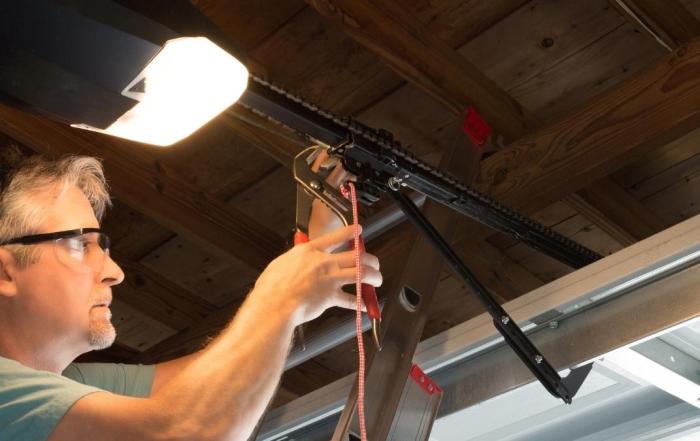
Solution: Grab a socket wrench and carefully tighten each nut and bolt on your garage door. Be sure not to over-tighten, as this can cause damage. Properly tightened hardware will minimize vibrations, helping your door run smoothly and quietly. This simple step can often make a significant difference in reducing noise.
-
Grinding Metal Parts
Garage doors have various metal components that move against each other, such as rollers, bearings, and hinges. If these metal parts aren’t well-lubricated, they can start to grind and create a harsh, irritating sound.
Solution: Apply a garage door lubricant to the moving metal parts. Focus on the rollers, bearings, hinges, and springs. For torsion springs (those large springs above the door), lubricate the entire exterior as they can be a major noise source. Be cautious with the tracks—wipe them clean of dust and debris, but avoid applying lubricant to them. Remember, WD-40 is not a lubricant; it’s better suited for cleaning. Use a proper garage door lubricant or light oil instead.
-
An Unbalanced Door
An unbalanced garage door can lead to operational noise and inefficient performance. When the door isn’t properly balanced, it can strain the opener and other components, making the door work harder and louder.
Solution: Check if your door appears to be unbalanced. This often indicates a problem with the torsion spring. If you notice significant imbalance, it’s best to call a professional. Torsion springs are under high tension and can be dangerous to handle on your own. A technician can adjust the spring or replace it if necessary.
-
Old or Broken Components
Garage doors are complex systems with many moving parts. Over time, components like springs, rollers, and hinges can wear out or break. When this happens, your door might become noisy as these damaged parts struggle to function properly.
Solution: Inspect your garage door for any signs of wear or damage. If you find broken or worn-out parts, it’s advisable to have them replaced. For older doors, it might be worth considering a full component upgrade to enhance performance and reduce noise.
-
Garage Door Type
Not all garage doors are created equal when it comes to noise. For instance, chain drive openers are known for being noisier compared to belt drive or direct drive systems. If noise is a major concern, your choice of garage door and opener can make a significant difference.
Solution: If you’re looking to minimize noise, consider upgrading to a belt drive or direct drive opener. These systems are quieter and can significantly reduce the noise generated during operation. Additionally, soundproofing materials like anti-vibration pads can also help in dampening noise.
-
Storm Damage
In areas prone to severe weather, like Florida, storm damage can affect your garage door. High humidity and heavy rain can cause rust and deterioration of metal components, leading to noise and operational issues.
Solution: After any significant weather events, inspect your garage door for damage. Look for signs of rust, bent components, or other issues that could have been caused by the storm. Regular maintenance and prompt repairs can help mitigate the effects of weather damage and keep your garage door running quietly.
How to Quiet a Noisy Garage Door?
If your garage door is making more noise than it should, there are a few simple steps you can take to quiet it down.
- Tightening Loose Components: Start by checking the nuts and bolts that hold your garage door together. Over time, these can loosen, causing the door to rattle. Use a socket wrench to snug them up, but be careful not to over-tighten.
- Lubricating Moving Metal Parts: Metal parts like rollers, hinges, and springs can grind and squeak when they rub against each other. Applying a garage door lubricant to these parts can help reduce noise. Remember to avoid lubricating the tracks, and never use WD-40, as it can cause damage.
- Dealing with Unbalanced Doors: If your garage door is unbalanced, it might make more noise as it struggles to open and close. This is often due to a worn-out torsion spring. Since dealing with springs can be dangerous, it’s best to call a professional for this type of repair.
- When to Call a Professional: If tightening and lubricating don’t solve the problem, or if you suspect an issue with the springs or other complex parts, it’s time to bring in a professional. They can diagnose and fix the issue safely, ensuring your garage door operates quietly and efficiently.
How Can Regular Maintenance Keep Your Garage Door Quiet?
Regular maintenance is key to keeping your garage door operating smoothly and quietly. By scheduling routine checks, you can catch issues like loose components or worn-out parts before they become noisy problems. Preventive measures, such as lubricating moving parts and tightening hardware, extend the life of your garage door and save you from costly repairs down the line. A little attention now can keep your garage door running like new, sparing you from those annoying squeaks and rattles.
So don’t let a noisy garage door disrupt your peace. If you’re experiencing persistent noise issues, contact the professionals at Garage Door Repair Maryland. Our expert team is ready to ensure your garage door operates quietly and efficiently. Schedule your service today!